
A mistrial ends a trial without a verdict, but it does not end the case. Here is what typically happens next, from retrials to plea deals, and how it played out in the Lindsay Clancy trial.
When a judge declares a mistrial, the courtroom drama of that particular trial comes to an end, but the underlying criminal case usually continues. The judge will:
- Enter the mistrial on the record, stating the reason (for example, hung jury, jury misconduct, or legal error).
- Discharge the jury, thanking them for their service and instructing them not to discuss the case if required by local rules.
- Schedule a status hearing or follow-up proceeding to discuss next steps with the prosecution and defense.
At that moment, the defendant is neither convicted nor acquitted. The charges remain active unless prosecutors decide to drop them.
Must Read
Retrial: The Most Common Outcome
In many serious criminal cases, especially those involving violent crimes or major felonies, the prosecution will choose to retry the case with a new jury. Legally, a mistrial due to a hung jury or other neutral reason usually does not trigger double jeopardy, so the state is allowed to bring the same charges again.
In a retrial:
- The case starts over with jury selection, opening statements, witness testimony, and closing arguments.
- Both sides may adjust their strategies based on what happened in the first trial—emphasizing different evidence, calling new witnesses, or changing how they present their case.
- The outcome can be very different: a new jury might convict, acquit, or even deadlock again, leading to another mistrial.
High-profile cases often see retrials because the stakes are high and prosecutors are reluctant to abandon the case after investing significant time and resources.
Plea Negotiations After a Mistrial
A mistrial can also shift the balance in plea negotiations. Both sides now have more information about how a jury might react:
- Prosecutors may realize that some jurors were skeptical of certain evidence or witnesses, making them more open to a plea deal on reduced charges.
- Defense attorneys may see that some jurors were strongly inclined to convict, making their clients more willing to accept a plea rather than risk a harsher sentence after a retrial.
Common plea outcomes after a mistrial include:
- Pleading guilty to a lesser charge (for example, second-degree murder instead of first-degree).
- Agreeing to a recommended sentence in exchange for avoiding another trial.
- Resolving some counts while dismissing others in multi-charge cases.
Dismissal of Charges
In some cases, prosecutors may decide not to retry the case after a mistrial. This is less common in serious or high-profile cases but can happen when:
- The evidence appears weaker than expected after the first trial.
- Key witnesses are unavailable, have changed their testimony, or are no longer credible.
- There are resource constraints or shifting priorities in the prosecutor’s office.
- Continuing the case is seen as unfair or not in the public interest.
When charges are dismissed after a mistrial, the defendant walks away without a conviction, though the dismissal may or may not carry the same finality as an acquittal depending on how it is framed.
Legal Motions and Appeals
After a mistrial, both sides may file pre-trial motions ahead of a retrial. These can include:
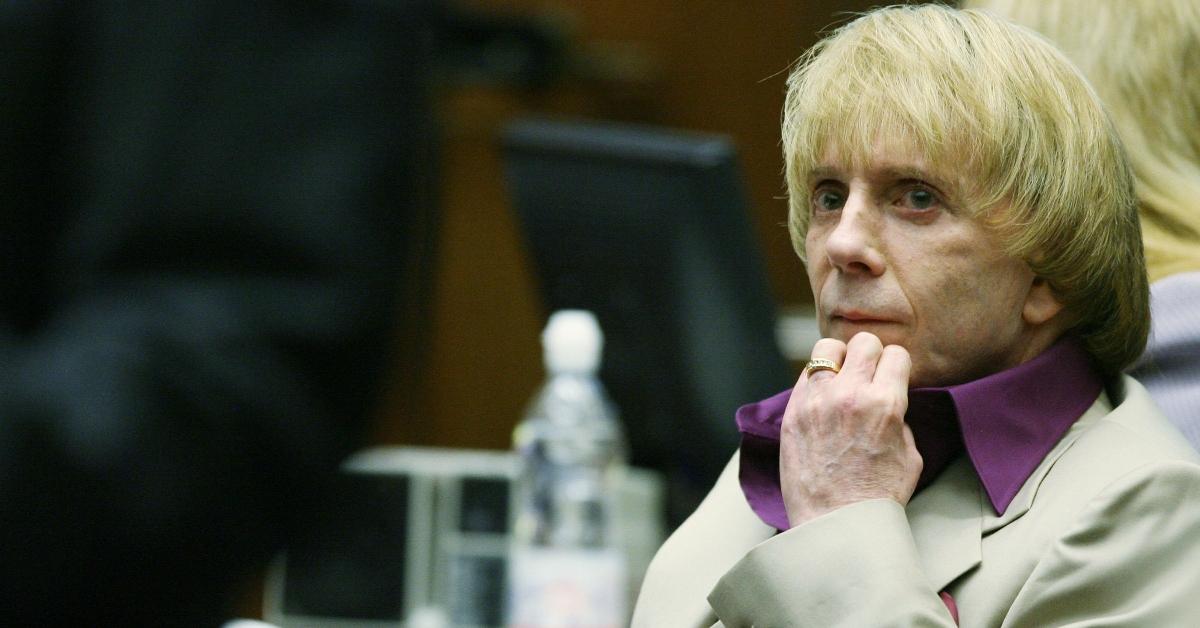 What Happens After a Mistrial Is Declared? Details Explained
- Motions to suppress evidence or limit certain testimony.
- Motions to change venue if pretrial publicity is deemed too intense.
- Motions addressing legal errors that may have contributed to the mistrial.
In some situations, one side may seek appellate review of specific rulings, especially if they believe a legal error seriously affected the first trial. However, mistrials themselves are usually not directly appealable as final judgments.
Impact on the Defendant
For the defendant, the period after a mistrial is often a time of uncertainty:
- If they are in custody, they may remain in jail or be reconsidered for bail pending retrial.
- If they are out on bail, their release conditions may continue or be modified.
- They face the emotional and financial strain of another potential trial, with no guarantee of a better outcome.
At the same time, a mistrial can offer a glimmer of hope for the defense, especially if the jury was deeply divided. It shows that at least some jurors were not convinced of guilt beyond a reasonable doubt.
Key Takeaways
- After a mistrial, the case is not over; it usually moves toward a retrial, plea deal, or dismissal.
- Retrials are common in serious cases because double jeopardy typically does not bar trying the case again after a mistrial.
- A mistrial can strengthen plea negotiations as both sides reassess their chances with a new jury.
- Dismissal is possible but less common in high-stakes or high-profile cases.
- The defendant remains in a state of legal limbo until prosecutors decide whether to retry, plea, or drop the charges.
What Happens After the Mistrial in the Lindsay Clancy Case
In the Lindsay Clancy murder trial, Judge William Sullivan declared a mistrial on September 4, 2026, after the jury reported being deadlocked three times over more than a week of deliberations. Clancy is charged with three counts of first-degree murder in the deaths of her children—Cora, 5; Dawson, 3; and Callan, 8 months.
Following the mistrial:
- Clancy was neither convicted nor acquitted. The charges remain in place.
- Judge Sullivan scheduled a status hearing for later in the month to discuss next steps with the prosecution and defense.
- Prosecutors indicated they are considering a retrial, though no final decision was announced immediately.
If there is a retrial, the core issues are expected to remain largely the same:
- Whether Clancy intentionally killed her children with deliberate premeditation, as prosecutors argue.
- Or whether she was in the throes of severe postpartum psychosis and therefore not criminally responsible under Massachusetts law, as the defense contends.
The mistrial in the Clancy case highlights how difficult it can be for jurors to reconcile horrific facts—three young children dead—with complex psychiatric evidence about mental illness and legal standards for insanity. It also sets the stage for a critical decision by prosecutors: whether to invest the time and resources in a second trial, offer a plea arrangement, or, less likely, dismiss the charges.
For now, the case remains unresolved, with Clancy’s legal fate hanging on what happens in the weeks and months after the mistrial.